On Seed Saving

seeds

If you remember way back to the beginning of the summer, I was doing some major planting in our garden. Because my husband was building a giant fence for our chicky girls, a lot of the planting fell to me and my teenage son, who is not nearly so outdoorsy as the rest of the family. And, after reflecting on my abilities as a gardener, I was pretty worried about this year’s crop. Mainly, my husband had been responsible for all of our vegetable garden successes.

It was up to me, and I was worried. I promised a report later in the summer, and somehow, it’s nearly fall before I am writing about our garden again. I feel like things have mostly been a success, but there were trials—and, boy, were they some trials.

Carrots are very, very, very difficult to plant. The seeds are tiny, tedious nightmares. Add that to the tiny, tedious nightmares biting you to death (black flies) while you plant in May in Maine, and I feel like planting carrots is almost maddening, like a test of wills.

Me versus nature.

This year, I didn’t let nature defeat me. I planted that darn garden despite the black-fly torture, and I think I was most proud when the carrot seeds were in the ground.

No, I was most proud when the carrot seeds sprouted. Every single seed seemed to have come up, and I was excited.

All was well. Or so it seemed.

Two days later, I went back out to the garden to check the progress of the carrots, and they were gone. Every single one of them. I was in shock. I stared at the ground for the longest time, not sure what to think, wondering if I was losing my mind. It was a tough day.

Our neighbor, who is a master gardener, didn’t know for sure what happened. She hypothesized and my research revealed that it could have been a rabbit, but it also could have been cut worms. All I know is that it was definitely a tragedy and a blow to my gardening ego.

But I would not be defeated, so I replanted. I suffered those tiny seeds and those tiny black flies one more time–and then just hoped and prayed.

Thankfully, the second round took, at least mostly, though we still had some seeds not come up. But we had enough, and, thankfully, we now have carrots to eat this fall.

carrot
This may look like an ugly carrot to some, but it is so beautiful to me. I only pulled one for a picture and a snack. We try to leave ours in the ground until after the first frost. It makes the carrots sweeter!

Overall, the garden has been a success—mainly thanks to my husband again. I may have planted and pulled some weeds, but that man is like my gardening hero with the watering, the hoeing, and the bug picking. Thanks to his work, we now have a garden ready to harvest, and I have begun a seed-saving routine that I hope will help us in years to come.

Each spring, we spend quite a bit of money buying seeds, and my newly-found frugality (as well as my inner doomsday prepper) has brought me fully into the seed-saving business this year.

If you’re interested in saving seeds, I think the key is to first focus on seeds that are easy to save and grow. For us, that means starting with the beans, tomatoes, and, yes–carrots.

Here are some helpful tips on seed saving on a few of the basics I think most people will find in their gardens (just be sure to start with non-hybrid seeds):

1. Green beans. In order to save green bean seeds for next year, just leave several bushes of beans to grow big at the end of the season. When the beans are big and lumpy and start to yellow, they are easiest to save. Just shell them and put them in a cool dry place to dry. I have saved green bean seeds for two years, and they work well.

green bean
If you let your green beans get old and yellow on the bush, you are set for seed saving. Here, you can see the pod is yellow, and the bean seed is ready!

2. Dry beans. Dry beans are the easiest because you are going to get them into shape for saving and storing anyway. We raise French horticulture beans, which are wonderful, and we tried pinto beans this year as well. The beans will get big and fat, and the pods will turn yellow and red. The key is that they need a chance to dry out. We have found that if we have a wet September, it will ruin the beans and cause them to mold. It’s best to pull the beans, bushes and all, and leave them in a place to dry. Just make sure you give them enough space. Mold is always the enemy here. Once the pods start to feel a little bit dry, you can shell the beans and then just spread them out to continue drying. Don’t put them away until the beans are completely dried. Then, in the winter, just make sure you save out enough for growing next spring. We have seed saved our French horticulture beans for three years, and they always come right up. Dried beans are the easiest, I think.

 
3. Carrots. Carrots are trickier. You can’t get seeds from your carrots the first year. You have to wait until the second year for them to go to seed. Leave a few carrots in the ground this year and then wait. You will want to cover the plants you keep with mulch to keep them warm enough. Next year, when the plants start to seed, let the seeds start to get brown and dry. It kind of looks like a little nest. Then, take the seeds and place them in a brown paper bag to continue to dry. Be careful with containers that trap moisture. Again, mold is the enemy. Once your seeds are totally dry, shake them in a bag to release the seed from the plant. Save them in cool dry place.

 
4. Tomatoes. We have been seed saving tomatoes before we even tried to. One year, I noticed that places where tomatoes had fallen to the ground and been left all year were growing tomato plants. It’s kind of amazing. But, of course, to do a better job and have great consistency, all you have to do is choose some tomatoes that are big and strong and squish them up. Add water and the squished tomatoes to a glass jar. The water helps the seeds separate. Then, place the jar in a warm spot for a few days. You should see a layer of moldy stuff start to form on the top of the mixture. Once you see the mold at the top and seeds at the bottom, you can remove the icky mold and run your mixture through a strainer to keep your seeds. Be sure to clean your seeds well and let them dry on a paper plate or something the seeds won’t stick to. You don’t want to use paper towels or paper, as the seeds may stick. Then, just store your seeds in a cool dry place like other seeds.

These are just a few of the basics I know, but it feels like a good place to start. As I learn more about seed saving, I’ll definitely share and let you know how it goes. And, if you know how to save some seeds, please share your tips here. It would be great to get a conversation going!

seeds
My little boy loves to play in the seeds. Here, he’s holding two variety of green bean seeds. I kind of like to play in the seeds, too.

It may seem like a pain to save seeds, but it feels really good to me. I like that self-sufficient feeling, and it really does save money in the spring. Plus, if there’s a zombie apocalypse, all you have to do is figure out how to keep the zombies from crashing your garden, and you’re all set!

On Summertime Sadness: Saying Goodbye to the Maine Summer

It turned chilly outside this week. After a very long and very hot summer, you would think I would be thankful. I am, after all, a Texas girl who moved to Maine, in part, to escape the heat. But, today, I feel the melancholy—the melancholy for summer that I feel in Maine more than anywhere I’ve ever lived.

I love all of the seasons in Maine, maybe even mud season because I know what’s coming next. Well, the season after black fly season. Yes, that one. Summer.

Growing up in Texas, we didn’t have seasons like we have here in Maine. It went from long hot summer to like two weeks of fall right into a messy, icy, windy winter. Fall is the best, right? I hated not having fall growing up. In Maine, fall is heavenly, magical, but thinking about fall leads me to a melancholy for summer.

Summer in Maine is like nowhere else. Even though my husband and I work way too much in the summers, the culture here reminds us to take breaks. Swimming is important. Hikes are important. Enjoy the water. Cook out. Watch the fireflies—and the stars. These things are valued here, and this makes summer extra special to me.

The summer is winding down. My oldest son is going back to college. I will begin longer homeschool days with my youngest son soon. And, pretty soon, the beautiful fall will be here.

But, for now, I feel melancholy that summer is passing. Though I enjoyed it, I always feel as if I never enjoy it enough. I want to do more, to take more of Maine in, to spend more time relaxing in the sun, watching the chicky girls eat watermelon, and listening as the hummingbirds zip by to the feeder.

A couple of years ago, at the end of summer, I heard a hummingbird commotion one evening on our back deck. We had two hummingbirds who had been visiting our feeder and our hearts all summer—a male and female we named Mack and Clara. We could tell them apart from the other hummingbirds because Mack was particularly short and stocky, and Clara had an unusual shape to the back of her head. They hung around a lot and seemed to have a nest in a nearby tree.

We loved watching those beautiful birds.

One evening in late August, I heard Mack and Clara making a lot more noise than usual. When I looked out the door, I was mesmerized by the beautiful dance and play Mack and Clara were engaged in. I had never seen them play like that and for so long—and with me so near with the camera.

It turns out that Mack was saying goodbye. It seems the male hummingbird will head south early to find a place for the couple. We never saw Mack again, and, after about another week or so, we never saw Clara again.

I had hoped that Mack and Clara would find us again the next year, but it was not to be. We had more adorable hummingbirds, but they definitely weren’t Mack and Clara.

When I think of those beautiful birds and the summer and how soon both the birds and the summer will be gone, I definitely feel the melancholy. I start to feel regret for the things I have wanted to do all summer but didn’t.

But, in writing this post, I have decided that it’s not too late. We bought a canoe this summer but haven’t taken it out on the water yet. This must be done. I’m also determined to make it to the Blue Hill Fair another year to mark the end of my summer with a James McMurtry concert. But, most of all, I want to take an afternoon nap in the warm air with the wind blowing through the leaves in the trees, making that magical whishy-rustly sound.

And I want to hang out with my husband and boys just a little more, just doing nothing, just visiting. We are always so busy with work, the chickens, the house, the garden, running to activities. For a bit, I want to stop time with my family and just do nothing. Surely, that’s possible in the summer time, right?

These are my goals. I don’t want too many summer regrets this year. What are your goals for the end of summer? How can you avoid summer regrets?

Let’s make a deal to say goodbye to this beautiful Maine summer (or summer wherever you are) with meaningfulness, and share your thoughts on summer in the comments below. I really want to hear them!

On a Dilemma of Ducks: Not All They’re “Quacked” Up to Be

duck

This week, I have my first guest blogger post. My husband, Ron Sands, agreed to write about our duck ducks for me. I’ve been wanting to devote a post to the ducks for months, but I’ve found myself unable to do the duck ducks justice. The duck ducks are really my husband’s babies. I think you’ll find his talent for duck-duck description quite enjoyable.


Ducks. As a matter of fact—ducks unlimited. No, not the wildlife, conservation organization, our fenced backyard. At least, at times, it seems so. We have six Indian Runners. They are the duck coterie, the crew, the collective—the Borg. We named one Seven; she is Seven of Six. She is Seven of Six because she is absolutely loud enough to be two ducks. She is also the smallest, which perhaps explains her emphatic and raucous need for attention.

This might be the point in the narration were the reader stops and asks, “Why in the world do you have six Indian Runner Ducks?” Believe me, I’m asking myself that at this point, too. According to the internet of all things, Indian Runner Ducks are excellent egg layers, compliment a garden well, and their antics are great fun to watch.

Well then, I thought maybe I’d get some eggs. That would be a great perk; I understand duck eggs are large and delicious. Rather than go online, we ordered the cheap ducks from a local Farmer’s Union—straight run only, minimum of six. I am always unrealistic about these things in that I always expect to lose a few birds. But, so far, out of 48 birds, counting chickens, we have lost just two—one was DOA, and the other died at around a year from being egg bound. That’s a 4% death ratio.

The ducks are showing no signs of ill health; four percent of six is roughly a quarter of a percent, which means their mortality, at best, likely will be limited to the loss of a few feathers. And the lottery gave us a 4-2 split that the house did not win. Four of those ducks are never going to lay anything but down. The only perk—males are far quieter than females.

Okay, so they will help control insects in the garden. Yes, well, Indian runners apparently do not have it in their DNA to “go around.” They are tramplers—single-minded, seemingly-oblivious tramplers. They recognize nothing as an obstacle that cannot be waddled, tripped, and flopped over. They do eat insects, however, and Japanese Beetles, for which our garden seems to be a destination resort, are a favorite. But vegetables in their path take a cumbrous and prolonged beating. I am amazed at how long it takes a duck to scramble, waddle, and quack through a bean plant.

Accordingly, I am now adept at catching Japanese Beetles. I’ve caught probably 200 this summer. Those ducks are eating right out of my hand. I guess it beats the beetle-drowning bucket.

baby duck
So, at first, there was nothing cuter in the world than one of our little Indian Runner ducks. But we should have known we were in trouble from the beginning. This little one is complaining on camera.

Well, they’ll be cute and the wife and the kid will enjoy them. That statement was rock-solid for the first month, mainly because the ducks were mostly too small to effectively express their ethnocentric-flavored xenophobia. (Their first swimming pool was a 9 x 6 baking dish.) While it is true, they will reliably show up for food—and eat beetles out of my hand—at any other time, they look at me as if I’m coming to collect the rent. Considering the 4-2 split, they might be on to something.

At the beginning of their second month, we turned them out; we also bought them a kiddie pool. I have since learned, it’s likely no accident the words foul and fowl are homonyms. Duck “tea” is not a pleasant liquid, and six ducks can brew it black, potent, and surprisingly quick. On the upside, it gets the compost pile “cooking,” and our corn is taller this year than it has ever been.

And, now, after three months and a recent pool-side exhibition worthy of a honeymoon hotel at Cabo, one that brought color to my somewhat worldly cheeks, I’m having to explain the farm facts of life to my seven-year-old. Indeed, the ducks are no longer cute.

Which brings me back to that rent. Just how delicious are recycled Japanese Beetles?

On Our Mobile Chicken Coop

This week was a big week for the Sands “Coop”eration. My husband built a mobile chicken coop for our broilers we purchased last month. The babies had been living in the brood box but were big enough to make the move outside, and we needed something sturdy for them to sleep in at night. We do live near the woods after all!

We are learning to be a little more self-sufficient all the time, and since we’re not vegetarians (I have tried and failed several times), we decided to get broilers or “meat birds.” We believe that, if we’re going to eat meat, we should know where it comes from. And, we’re taking it one step further and doing it ourselves.

At least that’s the plan.

It’s not going to be easy to kill our own food, but I’ll write and worry more about that another day. We’ve been watching videos and reading about humane and respectful deaths for chickens, but, for now, I’ll just say that I’ve tried to be very careful not to get too attached to the broilers.

Food; water; how are you doing? In and out.

Unfortunately, these birds are extremely docile and friendly, much more so than our Rhode Island Reds and ISA Browns. Our layers are more mistrustful, and you have to earn their trust. The little broilers just come right up to you, all sweet and curious.

Thanks, universe, for making this even harder. Just what I needed, right?

But we are, of course, of the notion that we want these birds to live a merry life, though it will be a short one, so my husband built them some nice accommodations this week, complete with wheels, so they can move to different parts of the yard and explore new areas.

This week, I share some of his process and the beautiful end results.

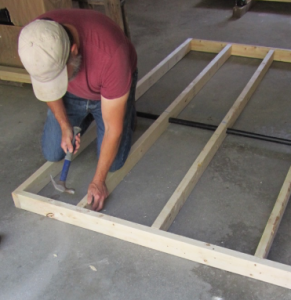
framing the coop
Here, my husband is just getting it started. As someone who can’t build a thing, I’m so amazed that this is the beginning of something so substantial.


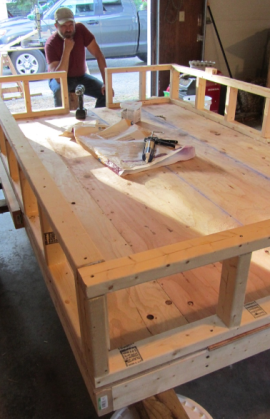
bottom of chicken coop
My husband has framed out the bottom of the coop here. In an effort to be frugal, he used a lot of parts and scraps he had around. The “mobile” part of the coop was built in an axle he created. He used our son’s old bicycle wheels for the “mobile” part of the coop.


Entire frame for chicken coop
And it’s looking like a chicken house!


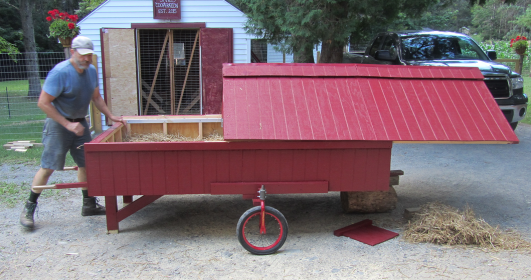
Mobile Coop Finished and Red
Here it is finished and in action. My husband very creatively built a slider system to make it easier to get into the coop for cleaning and feeding and watering. He used shower rollers on the roof for the rolling. I’m pretty sure he could have been an engineer.


Moving the Coop
And here’s the mobile coop being mobile. Of course, our youngest had to help, and he was a great help. He helped scoop up almost every one of those chickens.


Chicken Coop in the Trees
Here are the chickens with their new home. My husband built a large temporary run and even a little gate. The chickens seem to be in heaven out there!

Ultimately, it seems like a beautiful little place to be a little chicken. The chickens run around during the day and sleep in their sturdy little red house at night.

I think we need a sign above the door though, like the one we have over the door of our main chicken coop, but I don’t know what it should say. The grim part of me thinks it should read “Lasciate ogne speranza, voi ch’intrate” or “Abandon all hope ye who enter here.” I mean, I know what’s coming. I’m a little worried and have a bit of dread.

But I think my husband’s idea is better: “It’s a merry life but a short one.”

I’ll keep you posted. In the meantime, my husband just kind of invented his way around in creating this mobile chicken house, but if you’re interested in building your own, here are some resources.

On Blueberries, Muffins, and Blueberry Thieves

blueberry muffins

So blueberry season is now upon us in Maine. One of the reasons I love the Maine summer is that we have three berry seasons: We start with strawberry season; then the raspberries come; and we end on blueberries.

We kind of have a fourth season of summer in Maine, but it has nothing to do with berries. I think it’s called the “melancholy that our beautiful summer is almost over” season, but that’s for writing about later. Right now, it’s blueberry time!

I love blueberries. I mean, I don’t have the history with blueberries that I have with strawberries, but I love them so much that, two years ago, for my birthday, my husband bought me six blueberry bushes to plant in our garden.

It was a bit of a rough go at first. There was a bunny who ate both leaves and berries. Then, one of the bushes got sick. Still, last summer, we had a small but delicious crop of blueberries.

But, this year, things were looking great. All six bushes were loaded with berries, and I was so excited!

Until the unthinkable happened…our ducky-ducks ate all the blueberries!

There were like 50 to 70 berries left at the top of the very tallest bush. Our sweet little ducky-ducks (aka blueberry thieves) ate everything else! I am talking about hundreds and hundreds of blueberries. Those stinkers! Still, I can’t be mad at them because they’re cute, and they’re just doing what ducks do.

My husband fenced off most of the garden, but he didn’t fence off the blueberries. We paid for this and learned a hard lesson. Next year, it’s the fence!

But, we still had like 75 to 100 berries left, and I, being the optimist I am, thought this would be just enough to make a good batch of blueberry muffins. I have this amazing blueberry muffin recipe (see below), and I wanted to make a batch with our own blueberries.

Unfortunately, those little ducky-ducks were very persuasive. As I was picking those beautiful blueberries on the tallest bush, a few of our chicky girls came over to “share.” They’re so cute, I couldn’t resist sharing some. But the next thing I know, the ducks are with me.

There they were. Chewing hopefully on the blueberry bush next to me (on one that had already been stripped) and looking at me from the side, as if to say “Oh, mama, we love the blueberries. Please share with us.”

And if you think I’m making up that look, you have to meet our ducks. Believe me, they know what they’re doing.

So what am I supposed to do but share blueberries? So I did.

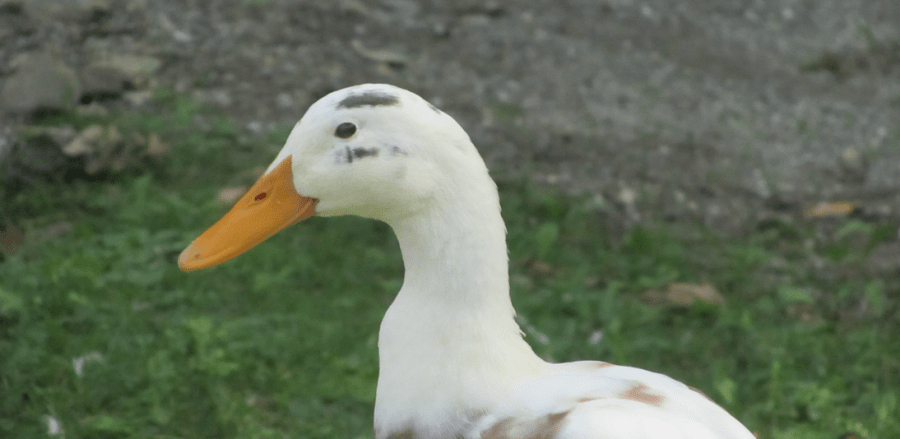
image of duck
I ask you, is this not the face of a persuasive, blueberry thief?

I think we still have enough for one batch of muffins, but it looks like it’s going to be another year of purchasing and picking blueberries from a local farm. Of course, that’s OK because that’s awesome too.

If you live in Maine, here’s a great blog post from Diane Atwood’s Catching Health offering a list of places you can go to pick blueberries. It’s an awesome resource!

And, once you get your berries, you might want to try them in this delicious bed-and-breakfast-style blueberry muffin recipe.

As an aside, I’ve never been to a bed and breakfast, so I don’t know what kind of muffins you would get at one, but if I had a bed and breakfast, you could get these blueberry muffins there. They’re a hit with my whole family—and our neighbors. Plus, they’re super quick and easy to make.

Blueberry Muffins with Crumb Topping

*Please note that this recipe was adapted and “remixed” from several recipes years ago, so I have no recipe to credit here.

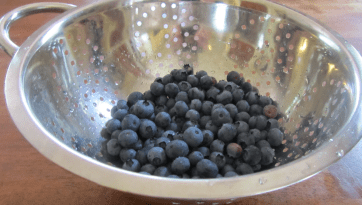
blueberries from garden
This is all we had left after the thievery and the begging!

Ingredients for Muffins

1 ½ cup of flour

¾ cup of sugar

½ tsp. salt

2 tsp. baking powder

¼ cup canola oil

½ teaspoon vanilla

1 egg

almost ¾ cup of milk

1 ½ cup of blueberries

Ingredients for Topping

½ cup light brown sugar

⅓ cup flour

1 ½ teaspoon cinnamon

¼ cup soft or melted butter

Directions

In a large bowl, mix all of your dry ingredients for the muffins together. Add the wet ingredients and be careful on the milk. It really does need to be a little less than ¾ cup of milk. Too much milk seems to really negatively impact the muffins. After you mix the wet and dry ingredients, fold in your blueberries.

Use fresh blueberries your ducks didn’t steal if possible.

Muffin Batter
Be careful not to squish the blueberries too much, or your batter will turn purple, which is kind of pretty, I guess.

For the topping, mix the sugar, flour, and cinnamon. After you have mixed those well, add ¼ cup of the soft or melted butter. The topping should be crumbling just a bit, so if it’s too moist, you can add a dab more of brown sugar or flour.

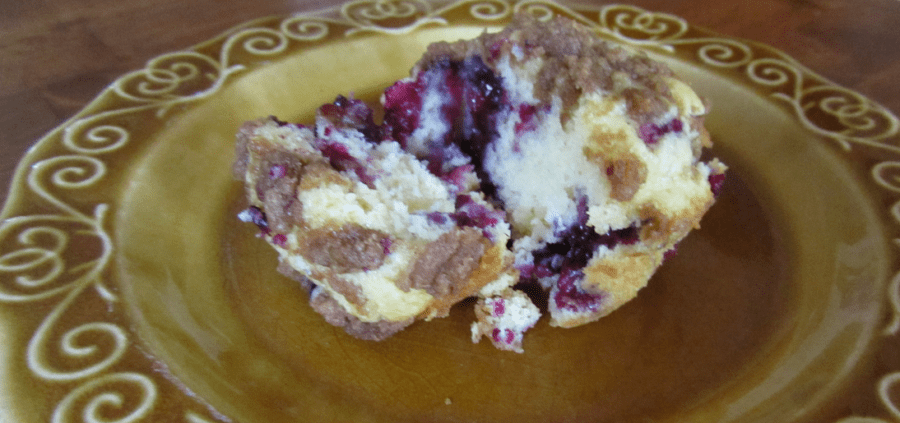
blueberry muffins
So yummy!

Put into a 12-muffin pan and bake for 15 to 16 minutes at 375 degrees.

It’s a pretty easy recipe and so delicious. I hope you enjoy!


On Peace and Beauty

Schoodic Point

“In the presence of nature, a wild delight runs through the man, in spite of real sorrows. Nature says, — he is my creature, and [despite] all his impertinent griefs, he shall be glad with me.” Ralph Waldo Emerson

When I was a little girl, I lived right smack-dab in the middle of Texas. There’s not a lot of water there. My aunt and uncle lived on the Atlantic coast in southern Florida, and I so vividly remember my visit to their home when I was nine years old. The first time I saw the ocean, I cried. I felt the excitement in my chest and all over my little body. When I first stood on that sandy beach and gazed into the blue horizon, I was overwhelmed by the beauty and magnificence of the ocean.

Fast forward to my adult life, and I have found a way to live close to that ocean that moved me so much when I was nine years old. The coast at Acadia is where we visit the ocean every summer. The first time my youngest son ever saw the ocean was at Acadia. We celebrated his 5th birthday at Sand Beach, and when family members come to visit us here in Maine, we always head to Acadia.

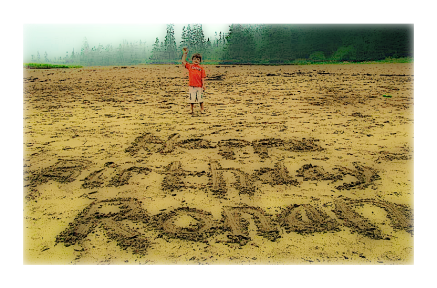
Happy Birthday on the Beach
We celebrated our son’s birthday at Sand Beach in Acadia National Park.

When I learned that this year marks the 100th anniversary of our beautiful Acadia National Park, I wanted to spend a little time reflecting on its beauty and how much I love having access to the ocean.

Every summer, we make our trips to the Maine coast, but Schoodic Point in Acadia National Park is our favorite, so much so that it has become our summer ritual to visit, enjoy the breath-taking views, and spend time together as a family. These visits also re-energize my soul.

The first thing we do is head to Winter Harbor, and every time, we stop for lunch at Chase’s Restaurant for some delicious fish n’ chips. In fact, Chase’s has the best fish n’ chips I’ve ever tasted, but, most importantly, our youngest son, our picky eater, just loves the fish n’ chips as well.

Chase’s is a small, family restaurant located on Main Street in Winter Harbor, and it’s right on the way to Schoodic Point. After we enjoy the delicious fresh fish, fries, and slaw, we head to Schoodic Point for the breathtaking views.

Schoodic Point
This is one of my favorite pictures I’ve taken at Schoodic Point in Acadia National Park.

Just hearing the waves crash on the rocks is relaxing to me, but when I see how much my youngest son enjoys exploring the rocks and water, I’m in heaven. Even our oldest, our grumpy teenager, seems to enjoy Schoodic Point, and fortunately, it turns out there are Pokemon and a cell phone signal there—and a cell phone signal is not always guaranteed in middle-of-the-trees Maine. This is certainly important information for anyone with teenagers. Our son captured a water Pokemon at Schoodic Point, so there you go. That’s reason right there to check it out.

Of course, for me, it’s about the Nature, not the Pokemon. Our family enjoys these summer trips so much, and, each year, when the weather starts to warm up, I start missing the ocean and Acadia. I’m from “away,” but I’m thankful that my adopted state has such easy and beautiful access to the ocean, a place where it feels good to feel insignificant. When I look at that water, the water that’s been there for millions and billions of years, I remember that the tiny worries of my life just do not matter.

They do not matter.

It feels good to remember that.

I’m a nature girl (well woman), but I wasn’t always. When I first read Emerson in college as an undergraduate, I had no idea, really, what he was talking about. But, now, Nature feels like scripture to me. I need to feel the earth, connect with the water and animals. Sometimes, it’s in my own backyard. Sometimes, it’s on the coast.

My youngest son once told me once that he thought Nature was so beautiful because God wanted us to notice it. I think there’s so much wisdom in this, and I know that places like Acadia remind me to stop and notice that God is all around us—in Nature.

What are your places that connect you to Nature, that energize your soul? I’d love to hear about them!

On Random Acts of Kindness

bouquet of flowers

This week was a tough week for me. I learned that my main part-time job, the one that was going to come with some health insurance, is not likely to be funded. This is especially problematic for us, as it seems I have an ulcer, which is just no fun at all. Also, my mom, who had been visiting for 10 days, went home to Texas, and my heart was sad.

So my heart has been heavy, and my mind has been worried. But I don’t mean this as a sob story. In fact, I am forever an optimist, so I just always have this feeling that things will be okay. I mean, my husband and I have to work hard to make it so, but we do, so it is.

But this week I also had some beautiful and thoughtful random acts of kindness that helped me stay even more focused on the positive, and these acts seem to have replenished my soul. Because of this, because of how wonderful it feels to have random acts of kindness bestowed upon you, I wanted to devote my post this week to writing about how important these are and maybe offer some ideas about how we can provide some random acts of kindness in the coming week.

Yesterday, I received the most beautiful act of kindness in the form of a call from a friend inviting us to “camp.” If you’re not from Maine, you may not understand what “camp” is. Let me tell you: “Camps” are fantastic! Essentially, “camps” are little cabins on the water, and the water is everywhere here in Maine. So, if you don’t have a “camp,” it seems you are really missing out on the magic of Maine in the summer—unless you can find someone to share “camp” with you. We don’t have a “camp,” so yesterday’s “camp” share was lovely and just what my soul needed.

I had been working at the computer for most of the day, and it was a hot one here in Maine. It was about 90 degrees, and when you don’t have air conditioning, 90 degrees feels really hot. My husband was outside working on our yard and my youngest son was helping him when the phone rang. Our dear friend wanted to know if we wanted to go for a swim and a boat ride.

Oh, we did!

It was the best Friday afternoon I’ve had in a long time. The water was refreshing. My son had a blast swimming in the lake. We were taken for a boat ride around the lake to see the loons and the lily pads. Sunfish nibbled on my toes, and my worries felt far away.

I was thankful beyond words, but this was just one of many beautiful, random acts of kindness for me of late: My neighbor picked me a beautiful bouquet of flowers from her garden; my husband researched and sent me a list of all the natural remedies for ulcers; my friend from afar sent me an awesome chicken lady t-shirt—for no reason, just because; one neighbor brought corn on the cob over for the chicky girls; and another neighbor brought over a Lego set for my youngest son, even though we decided not to have a birthday party for him this year.

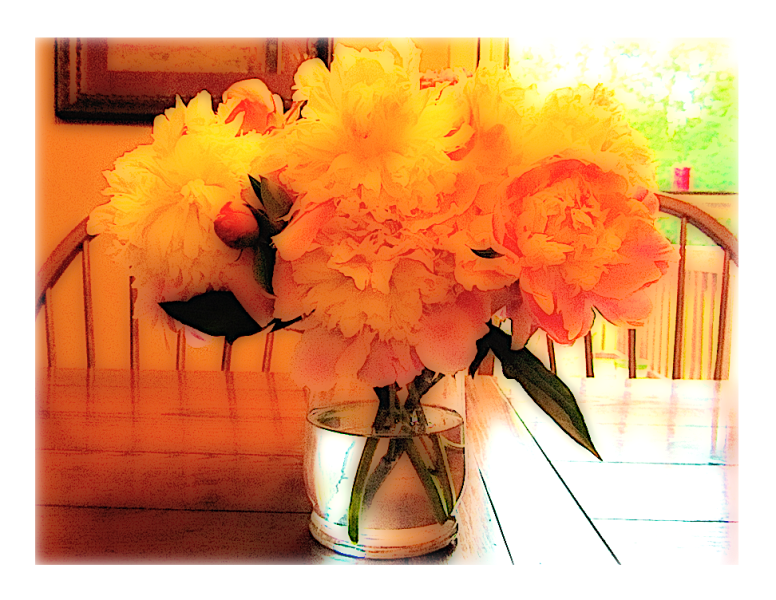
bouquet of flowers
This is the bouquet my neighbor picked for me from her garden. I nearly cried at its beauty and the kindness. The flowers reminded me of a wedding bouquet, and since my husband and I got married at the JP, I never had a wedding bouquet–until now, that is!

These beautiful gestures add up and remind me of what a lovely world kindness makes.

So, this week, my goal is to bestow some random acts of kindness, and I have a few ideas to share. I don’t want to be a product promoter, but there are some lovely, small and inexpensive gifts that I would like to share, just to plant some ideas for others. And, other things on my list are free or pretty much free. They will just take a little of your time.

  1. Make someone something homemade.

While I still can’t knit, I can crochet, and I know someone who really wants some homemade potholders. It’s my goal to send her a couple. But, if you’re better “maker” than I am, sending someone a knit cap or a homemade scarf for the fall are random acts of kindness that will just make someone’s day, or week, or month. The one time I received a knit hat in the mail was over a year ago, and I still treasure it!

  1. Send some LL Bean Maine Isle Flip Flops.

While I could probably write a whole post on the awesomeness of LL Bean products (and, one day, maybe I will), I’m pretty sure everyone needs at least one pair of these. I feel like the lobster ones are the best, but I’m Mainer biased.

  1. Write a letter or send a postcard.

I think we just don’t write enough in the old-school kind of way. My mom started writing me letters every year on my birthday, and I treasure them. Every single one of them makes me cry in a good way. But I know some people who collect postcards, so sending a unique postcard with a kind message can definitely lift someone’s spirits.

  1. Bake something for someone. 

If you don’t have to send something in the mail, a baked good is a great gift, be it a loaf of bread or some muffins. Right now, it’s raspberry season here in Maine, so I am planning a raspberry-peach pie for someone tomorrow. I hope it’s yummy, and I hope it’s enjoyed. Every year, at Christmas, our whole neighborhood exchanges baked goods, and I treasure every baked-good item. But why wait until Christmas? Baking something for someone seems like an amazing random act of kindness.

  1. Send a copy of Jes Maharry’s Free Spirit coloring book and some colored pencils.

If you know someone who loves to color, I think this book would be an amazing gift. Jes Maharry is an artist who usually works in jewelry and does a lot of designs with animals. My wedding ring is a Jes Maharry ring. No diamonds. Just a simple, rustic band, and I love it. I’m guessing someone you know would be so pleased to get one of these in the mail. Plus, coloring is so therapeutic, right?

While it was a tough week for me, random acts of kindness really helped me keep my positive outlook on life. If you’ve been thinking about sending some random acts of kindness to someone, I highly recommend doing it now. One of my dear friends wrote a beautiful mini essay about how you never know what trauma someone is going through. It’s true. You just don’t. And we all have our worries, struggles, and traumas. Let’s help each other out with some random acts of kindness.

I’m evidence this week that they can make all the difference.


On Birthdays and Big Dreams

boy on fence

This week, I’m late with my post. I have a very good reason for being late. My youngest, my baby, turned 7 this weekend!

I actually spent Friday feeling a little guilty that I had not managed to get my blog post up on time, but then I remembered what my blogging self would tell worrying self: This is your child’s birthday. The blog can wait.

So it did. Until now.

I just put my youngest son to bed at the end of his 7th birthday. Right as he was getting into bed, he paused and said to me, “Now, I have to wait a whole year before it’s my birthday again.”

Then, he said, in a thoughtful tone, “It wasn’t as good as I thought it was going to be, but it was still really good.”

“I totally understand, sweetie,” I told him. And I do understand. But I was a little taken aback by his wisdom in the way he spoke this.

He said it like he understood that this is just how it is. You build something up to be so great in your head that it can’t possibility live up to your expectations. But it’s okay if it’s still good. In fact, I’m sure that was his tone, and since he just turned 7, I was surprised by his seemingly deep understanding of this concept.

I always want his birthdays to live up to my son’s expectations, but I know there’s just no way this is possible. I hope it doesn’t seem like my kiddo is spoiled. He’s not. He’s actually this beautifully and honestly grateful kid most of the time. Well, I’m sure he’s a little spoiled, but I’m firm believer that we should all be a little spoiled, at least by love.

But he has this great imagination. No a fantastical imagination! And that means he dreams really, really big, even when I can tell he’s trying to be realistic. It’s pretty fantastic, actually.

Reflecting on the way my son dreams so big got me to thinking about my own dreams for myself and my family. I’m generally such a cautious person, but I’m trying all the time grow and change. I think “adulting” every day makes me forget how to dream big, however.

When I was in college, Sarah Weddington, the lawyer who argued Roe versus Wade to the Supreme Court when she was in her 20’s, visited my college. She gave a talk about dreaming big, and I remember thinking that this was an important lesson. Her message was that someone has to do the big things, so it might as well be you—if you want it to be. This felt like such a powerful message to me.

But I grew up and forgot it.

As I thought about my son’s big dreams tonight though, I remembered my own. My husband and I want to start our own independent publishing company. In our family, my husband is the real writer, and reading his writing makes me feel like I’m just wasting words. He’s really talented.

I think we could do it. I think his writing could help us get our publishing company going, and I so have my own dream of writing a children’s book about chickens.

Many days, however, this feels like a fantasy, but, as I write this post, I remember that talk from college and I think my son’s ability to imagine so much greatness. He really does do everything with gusto, and if it doesn’t quite work out, he’s at least had a really good day.

boy on fence
I snapped this picture of my son, still in his jammies, standing on a stool looking out at our newly-fenced yard and appearing so thoughtful. I don’t know what he was thinking about, but I imagine it was something awesome.

So, tonight, as I finally get to my blog post for the week, I write it in honor of the most beautiful 7-year-old boy in the world to me. He has taught me to love bigger, think bigger, and, now, maybe tonight, to dream bigger. I hope, if you read this, you will dream bigger, too!

On Motherhood Lessons from Chickens

chicken coop

It has been just over a year since we brought home our first baby chickens, and they’re all big girls now. We got another set of babies in March, but they’re almost big girls, and just this week, they moved into the “big girl house,” the chicken coop.

chicken coop
Here’s the “big girl house.” My husband hung flowers by the fence, so the girls’ house is all decorated for the summer–and the big move in.

I was so worried about this big move. I love my big girls, but they are Rhode Island Reds. And while we picked a breed of chicken that was intelligent and winter hardy, I didn’t even think about temperament. Apparently, Rhode Island Reds can be stinkers and can be bullies, and this made me worried about the little girls moving in with the big girls.

But we followed the guidelines from all of the wisest chicken bloggers we could find, and it worked. After quite a few weeks of a slow introduction process, the little girls were big enough to move into the coop, and the first night was so hard on this chicken mama. My husband built a new roost, so there would be plenty of room in the coop, and, one by one, we brought the little girls in to sleep with the big girls. I was so worried that I stayed in the coop a long time with them, and when I had to leave, my husband stayed.

Thankfully, all went well. I was so proud of our little girls that I took pictures. My babies were growing up!

This experience with our babies growing up and moving in with the big girls got me to thinking about the kind of chicken mama I am and the kind of human mama I am. Our chickens have taught me many things about myself, but one thing that I find most interesting is how raising chickens has caused me to reflect about the kind of mama I am to my boys. I think reflection is an important part of growing as a person, and our chickie girls often make me reflective. I think that might be one of my favorite things about them.

Lesson 1: I’m an “elephant mom.”

First, I’ve learned that I’m definitely an elephant mom. If you haven’t heard of this, here’s a great read from The Atlantic on what being an elephant mom involves. Essentially, an elephant mom is super nurturing and supportive when her children are young but then gradually lets go and pushes them, when the time is right, into adulthood.

I’m definitely super nurturing as a mom. I spoil both our boys and all of our chickens. But I have one boy who is 19, and I’ve been able to be tough when I’ve had to. I know he’s got to grow up and become independent, and after he graduated high school, I made him go to work and learn how to handle his business at college. I didn’t want to be a helicopter mom.

My oldest especially didn’t like the going to work part, but I know it’s good for him. So even though my heart is sad that he has to sometimes work long hours and deal with grumpy customers at his job, I know he needs to do it. And I have faith that when my youngest needs that push, I’ll give it to him, too.

I’m the same way with my chicky girls. They’re spoiled rotten, and I baby them too much for sure. They get bagels in the morning, grapes cut in half to make them easier to eat in the afternoon, but when they start bullying and acting like this is Orange Is the New Black around here, I’m a tough mama. I stomp my feet and scare those girls into better behavior.

I was watching a nature documentary one time about a family of elephants. There was an incident where a baby elephant fell into a deep mud hole and couldn’t get out. The baby’s mama was a young mama. It was her first baby. She kept trying and trying to get the baby out of the mud hole, but she couldn’t do it. I started to panic, as I was sure I was about to see that poor baby elephant be stuck for good, but then the grandma elephant, who had been watching the whole time, came over to her daughter, pushed her out of the way, like with a swift kick in the butt, and then pulled the baby elephant right out from the mud hole.

It’s good to be nurturing, but, sometimes, I guess you just have to give ‘em a kick in the butt.

Lesson 2: But I can still let go.

Second, I learned that letting go is hard but possible—and necessary and important. When my oldest was little, I couldn’t imagine what I would even do with myself when he grew up and moved out of the house. I realize now it’s a process, and you have to let them gain their independence, mainly for their own sakes. There are many days I hardly see my oldest because of his work and school. And, when I do see him, sometimes, he’s so grumpy that I feel more than ready for him to get his own place, but mostly, he’s a good boy—well, young man. And he’s learning, gradually, how to “adult.”

Seeing our little chicky girls move in with the big girls and be totally fine with it helped me think about the importance of letting go. I was so worried that the little girls would get hurt or be sad, but most of them actually seemed quite happy to be with the big girls. And the couple of little girls who seem to be more mama’s girls and daddy’s girls got used to things after a day or two.

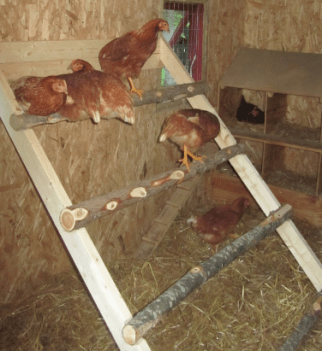
little chickens in coop
This is one of the “proud mama” pictures I took of the little girls on their first night in the coop. Our grumpy broody hen is in the background, not liking any of it.

Interestingly, the letting go part and learning I can do it has led me to the greatest epiphany about myself as a mother.

Lesson 3: It’s important for me to take time. 

The biggest thing I’ve learned from my chicky girls and, well, also from having a son who is nearly grown, is that they do grow up fast. You had better stop in any way you can and take a minute to take it all in.

Not everyone can manage it, I know, but working part time is the best thing I could have done. Though we’ve had to learn a lot about frugality, it’s my time that’s priceless to me.

My youngest son is little, and I want to enjoy this. Raising chickens is a good reminder for me that I need to slow down. I mean, they’re babies for just like six weeks. When they’re babies they are so adorable, so sweet, and so funny. But it seems like overnight they’re grown up, moving into the big girl house, and fighting over the top roost.

If you’re a mom or a dad, I encourage you to take this one lesson from my chicky girls and make sure you take some time out to treasure the days when your little ones are little. It’s not always easy. There’s work, errands, cooking, school, activities, and so much more, but I know we need to make sure we make an effort to slow things down.

Being reflective reminds me that I need to take time to go say hello to the chicky girls, admire the Lego creation my youngest built, and really listen when my oldest is telling me a story about a crazy customer at work.

The letting go is coming, but you have to try to treasure the time before the letting go.

On Homeschooling–Even When You’re Not

image of decorated letters

I’m a former university professor, and I spent nearly 20 years teaching freshmen in college. One of the biggest lessons I learned from my students is that something is happening somewhere in our school systems that makes many children lose their curiosity toward learning. Of course, I’m not saying this happens to every student, but it happens too often. It worries me.

But I was even more worried as a mom when my youngest son was being sent to the principal’s office in preschool and came home from school one day calling himself “the bad kid.” I knew I had to do something different.

image of decorated letters
This is an example of how much fun we have homeschooling! Notice the decorated letters. And here’s the best part–no principal’s office.

Our family made the decision to homeschool. If you’ve been following my blog, you know this meant quitting my full-time job and learning to live much more frugally. But we decided it was worth it.

As a teacher, homeschooling was an opportunity for me to teach one of the most important people in the world to me, and I’ve enjoyed our first year doing it.

The key lesson I’ve learned from homeschooling my six year old is that everything is an educational opportunity for children—from baking scones to visiting our neighbor’s beehive. Pretty much all activities provide us with “teachable moments,” and learning is everywhere.

When my children were in public school, I had the notion that they were learning at school, so if I could get in some extra learning at home, that would be great but not necessary. I now understand just how necessary it truly is, and it’s not as time consuming as you might think.

It’s just about seeing everyday activities, things that are a part of everyday life, as “teachable moments.” The former university professor in me wants to tell you how important these kinds of things are for helping your child grow into a curious adult. The mom in me wants to tell you how much fun this approach is and how much you’ll learn as well.


So I created a Top 5 “Homeschooling When You’re Not” list to get interested parents thinking along these lines.

  1. Cooking

Cooking with your child is a great opportunity to learn math, reading, and an important life skill. It’s just about emphasizing these things while you do it. Talk about what you’re doing with each step. It can be tough when you’re busy, but if you can take the time to slow down for this a couple of times a week, it’s totally worth it.

  1. Animals

At our house, we have lots of animals—chickens, ducks, fish, cats, a dog—and we have wildlife that visit us, everything from wild turkeys to chipmunks to crows. I’ll write more later about the “kindness lessons” animals can help teach our children, but animals also provide amazing educational opportunities for learning about the lives and habits of different species.

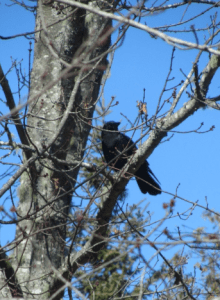
crow picture
We try to find learning opportunities everywhere, so when we saw we had crows visiting our yard, we researched just how brilliant and interesting they are!

“Why do crows like shiny things?” and “Why do ducks whistle?” are just a few things we have researched, but you can teach your children about habitat, the environment, and animal behavior just by talking about animals in and around your home or the ones that visit your bird feeders. I know our chickie girls have taught us more about the amazing personalities, intelligence, and resourcefulness of animals than I ever could have imagined.

  1. Reading

Just read. I’m a literacy teacher. I can’t tell you what a difference this makes. Take 20 minutes every day, maybe every night before bed. And don’t worry about making sure you’re reading “great literature.” You want reading to be fun. Once you get that, the rest will work itself out. Comics, graphic novels, we even sometimes just read short articles in the National Geographic magazines on space because my son loves anything related to space.

I know parents are busy beyond on all reason, but taking 20 minutes a day makes all the difference.

  1. Outdoor Exploration

When I was a kid, our parents just sent us outside to play, and we played all day. While I often hear adults from my generation romanticize those “good old days” and while I do think outdoor play and even a little boredom is very important, I’m talking about outdoor exploration together. For homeschool geometry, we measured the circumference of the trees in our yard. We found we had one that was 88 inches in circumference! This is great stuff, and you don’t have to be officially homeschooling to do it. If you know your child is studying something at school, see if you can find a connection in your yard. Talk about it. Explore it.

If you’re fortunate enough to live in place like Maine, there are parks, hiking trails, the ocean, the mountains. Take a day trip when you can. Our family has some day-trip goals for this summer, but more on that in a future post!

  1. The Internet

While I know screen time gets a really bad wrap these days, there are some amazing educational videos and games out there. And, when you take 30 minutes and play the game with your child, it’s all the better. Ted Ed has some amazing YouTube videos on everything from the size of an atom to narrative structures in literature, and they are so much fun.

I’ll write more about free online educational resources in future posts, but one great idea I wanted to share now is “Question of the Day.” We started this in our family, and I’m learning a ton of stuff as well. I mean, I’m here to tell you. If you’re in your 40’s like me, the field of science has way more information than it did when we were in school.


Homeschooling my youngest son has been one of the greatest experiences of my life so far. I’ve learned about how he learns, how he thinks, what works for him, what doesn’t, and what inspires him. I wouldn’t trade this experience for anything, and I’m looking forward to our second year together. But I know not everyone can do this. Not everyone can quit their full-time jobs, and not everyone feels comfortable as a teacher.

But, if you’re a parent, you’re a teacher. You don’t have to be a formal homeschooling family to bring homeschooling into your home. It’s going to do great things for your children, and, ultimately, it’s going to do great things for the bond you have with your children. It’s just about taking advantage of even the smallest opportunities.